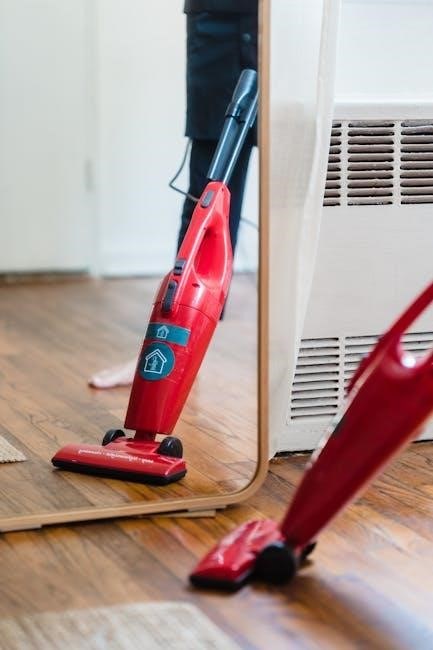
Hoover SteamVac Carpet Cleaner: A Comprehensive Guide
Welcome! This guide offers detailed instructions for your Hoover SteamVac, covering everything from setup to maintenance. Access the free manual online, rated highly by users, for a complete understanding of your steam cleaner.
Explore safety safeguards, model-specific details, and troubleshooting tips. Learn how to properly prepare solutions and clean various surfaces, ensuring optimal performance and longevity of your Hoover product.
Understanding Your Hoover SteamVac
Your Hoover SteamVac is engineered to deeply clean carpets and upholstery using hot tap water and a specialized cleaning solution. Unlike standard vacuum cleaners, it doesn’t just lift surface dirt; it actively scrubs and extracts embedded grime, revitalizing your floors and fabrics. This machine operates on a principle of injection and extraction – applying the cleaning solution, agitating the carpet fibers, and then powerfully removing the dirty water.
Before operation, familiarize yourself with the manual. It details the machine’s capabilities and limitations. The SteamVac isn’t designed for dry vacuuming; its primary function is wet cleaning. Understanding this distinction is crucial for proper use and preventing damage. Always check the upholstery cleaning code before attempting to clean furniture, ensuring compatibility with your Hoover cleaner.
The SteamVac features a dual tank system, separating clean and dirty water – a key component for effective cleaning. This prevents re-deposition of dirt onto your carpets. Refer to the instruction manual for specific model details, as features can vary. Proper understanding of these core principles will maximize your cleaning results and extend the life of your appliance.
Model Identification & Variations
Hoover SteamVac carpet cleaners come in several variations, each designed with specific features to cater to different cleaning needs. Identifying your exact model is the first step towards accessing the correct instruction manual and support resources. The product model number is typically located on a sticker on the machine’s body, often on the back or underside.
Variations include the basic SteamVac, the SteamVac Agility, and models featuring advanced technologies like HeatBoost or QuickClean. The Agility series, for example, is designed for maneuverability in tight spaces. Different models may have varying tank capacities, brush roll designs, and attachment options.
Hoover’s website provides a search function allowing you to locate your manual by line, model, or product code. Always refer to the documentation specific to your machine, as instructions can differ significantly between variations. Understanding these differences ensures you’re utilizing the optimal settings and features for your particular SteamVac, maximizing cleaning performance and preventing potential issues.
Safety Precautions & Warnings
Important safeguards are crucial when operating your Hoover SteamVac. Always disconnect the appliance from the power outlet before performing any maintenance or troubleshooting. Never use the SteamVac as a dry vacuum cleaner; it’s designed for steam cleaning with liquid solutions only.
Exercise caution when using cleaning solutions, following the manufacturer’s instructions carefully. Avoid contact with skin and eyes. Ensure the area is well-ventilated during and after cleaning. Do not operate the machine if the cord or plug is damaged.
For upholstery cleaning, always check the fabric’s cleaning code before use. The HOOVER SteamVac should only be used on fabrics with appropriate codes. Never immerse the machine in water or any other liquid. Keep children and pets away from the appliance during operation. Read the complete instruction manual for a comprehensive list of safety guidelines to prevent injury or damage.
Component Overview: Parts List
Your Hoover SteamVac package includes several key components for effective carpet and upholstery cleaning. These typically consist of the main machine body, housing the motor and water tanks. You’ll find a clean water tank and a separate dirty water tank – a dual tank system for hygienic operation.
Essential accessories include a cleaning solution tank, a hose for reaching tight spaces, and various specialized nozzles and brushes. These attachments cater to different surface types and cleaning needs. A crevice tool is useful for edges and corners, while a stair tool simplifies upholstery cleaning.

The SteamVac also features a brush roll for agitating and lifting dirt from carpet fibers. A power cord and potentially a sample of cleaning solution are also included. Refer to your specific model’s instruction manual for a detailed, illustrated parts list and diagrams to ensure you have all components before beginning assembly.
Assembly Instructions: Getting Started
Before your first use, carefully unpack your Hoover SteamVac and verify all components are present, referencing the parts list in your instruction manual. Begin by attaching the handle to the main machine body, ensuring it clicks securely into place. Next, connect the hose to the designated port on the unit.
Install the clean and dirty water tanks, making sure they are properly seated and sealed to prevent leaks. The tanks usually have a clear locking mechanism. Attach your desired cleaning nozzle or brush – select the appropriate tool based on the surface you intend to clean.
Familiarize yourself with the power cord and ensure it’s fully extended before plugging it into a grounded outlet. Consult the manual for specific model variations in assembly. Always double-check all connections for stability before proceeding to the preparation stage. Proper assembly is crucial for optimal performance and safety.
Preparing for Cleaning: Solution Mixing
Proper solution mixing is vital for effective cleaning and to protect your Hoover SteamVac. Always refer to your instruction manual for the correct ratios, as using too much detergent can leave residue and damage the machine. Typically, the clean water tank requires a specific amount of Hoover’s cleaning solution – do not use other detergents.
Fill the clean water tank with hot tap water, but never boiling. Add the recommended amount of cleaning solution, ensuring it doesn’t exceed the maximum fill line. Overfilling can cause operational issues. Gently swirl the tank to thoroughly mix the solution, avoiding excessive foaming.
For heavily soiled carpets, a pre-treatment spray may be beneficial, following the manual’s guidelines. Remember to always test the solution in an inconspicuous area first to ensure colorfastness. Never mix different cleaning solutions together.
Carpet Cleaning Procedure: Step-by-Step
Before starting, ensure the Hoover SteamVac is assembled correctly and the solution tank is filled as per the instruction manual. Begin by vacuuming the carpet to remove loose debris. Then, select a low traffic area to test the cleaning solution for colorfastness.
Start in a corner of the room and work backwards towards the exit. Slowly push the SteamVac forward, releasing the cleaning solution with each pass. Overlap each stroke slightly to ensure complete coverage. For heavily soiled areas, make multiple passes, but avoid over-wetting the carpet.
Engage the brush roll for optimal agitation. After cleaning, switch to rinse mode (using only clean water) to remove any remaining detergent residue. Continue overlapping passes until the water extracted appears clear. Allow the carpet to dry completely – proper ventilation speeds up the process.
Upholstery Cleaning: Fabric Codes & Techniques
Before cleaning upholstery with your Hoover SteamVac, always check the fabric’s cleaning code. These codes – W, S, WS, and X – dictate the appropriate cleaning method. Code ‘W’ signifies water-based cleaning is safe; ‘S’ indicates solvent-based cleaning only. ‘WS’ allows both, while ‘X’ means vacuum only – no water or solvent!
For ‘W’ or ‘WS’ coded fabrics, use the upholstery tool attachment. Test the solution in an inconspicuous area first. Lightly mist the fabric, avoiding over-wetting. Use overlapping strokes, and allow the SteamVac to extract the moisture.
Avoid using the SteamVac on ‘S’ or ‘X’ coded fabrics. Refer to the instruction manual for recommended solvent cleaners for ‘S’ coded materials. Remember, improper cleaning can damage upholstery. Always consult the furniture manufacturer’s guidelines when available.
Stain Removal Guide: Common Stains
The Hoover SteamVac excels at tackling common household stains, but pre-treatment is often key. For fresh spills, blot immediately with a clean cloth – avoid rubbing, which spreads the stain. Refer to your instruction manual for specific stain solutions.
For coffee or tea stains, use a solution of cool water and a mild detergent. For pet stains, employ an enzymatic cleaner designed to neutralize odors and break down organic matter. Always test any cleaning solution in an inconspicuous area first.
Grease and oil stains may require a solvent-based cleaner, used cautiously and according to the product’s instructions. After applying a stain remover, use the SteamVac with the appropriate attachment to extract the residue. Multiple passes may be needed for stubborn stains. Remember to rinse thoroughly with clean water to remove any remaining cleaner.
Dual Tank System: Clean & Dirty Water
Your Hoover SteamVac features a convenient dual tank system, separating clean and dirty water for optimal cleaning performance. The clean water tank holds the fresh cleaning solution, while the dirty water tank captures the extracted grime and debris from your carpets and upholstery.
Always fill the clean water tank with hot tap water and the recommended amount of Hoover cleaning solution, as detailed in your instruction manual. Ensure the dirty water tank is empty before starting a cleaning cycle. Regularly check the dirty water tank’s fill level during use to prevent overflow.
After each use, thoroughly empty, rinse, and dry both tanks to prevent mold and mildew growth. Proper maintenance of the dual tank system is crucial for extending the life of your SteamVac and maintaining its cleaning efficiency. Refer to the manual for specific tank removal and cleaning instructions.
Cleaning & Maintaining the SteamVac
Regular cleaning and maintenance are vital for preserving the performance and extending the lifespan of your Hoover SteamVac. After each use, always empty and rinse both the clean and dirty water tanks thoroughly, allowing them to air dry completely to prevent bacterial growth.
Periodically inspect the spray nozzles for clogs and clear them according to the instruction manual. Wipe down the exterior of the machine with a damp cloth. Avoid using harsh chemicals or abrasive cleaners. The brush roll should be checked for tangled hair or fibers and removed as needed.
Refer to your manual for detailed guidance on deep cleaning procedures, including flushing the internal system with clean water. Proper maintenance, as outlined in the Hoover documentation, ensures optimal suction and cleaning power, keeping your carpets fresh and your SteamVac functioning effectively for years to come.

Filter Replacement & Care
Maintaining a clean filter is crucial for the efficient operation of your Hoover SteamVac. The filter traps dirt and debris, preventing them from recirculating onto your carpets. Regularly check the filter for blockage and replace it as recommended in the instruction manual – typically every 6-12 months, or more frequently with heavy use.
Before replacing the filter, ensure the machine is turned off and unplugged. Locate the filter compartment, usually detailed in your manual, and remove the old filter. Rinse or tap out any loose debris from the new filter before installation. A clogged filter reduces suction power and can strain the motor.
Hoover recommends using only genuine Hoover replacement filters to ensure compatibility and optimal performance. Proper filter care, as described in the manual, contributes to cleaner carpets and a longer-lasting, more effective cleaning experience with your SteamVac.
Nozzle & Brush Roll Maintenance
Regular maintenance of the Hoover SteamVac’s nozzle and brush roll is vital for effective carpet cleaning. After each use, inspect the nozzle for clogs caused by hair, fibers, or debris. Remove any obstructions to maintain optimal suction. Refer to your instruction manual for specific nozzle removal instructions.
The brush roll requires periodic cleaning to remove tangled hair and fibers. Turn off and unplug the machine before accessing the brush roll. Carefully remove the brush roll and use scissors or a seam ripper to cut away any wrapped materials. Avoid using sharp objects that could damage the bristles.
The manual may also recommend periodically checking the brush roll for wear and tear. Replace the brush roll if bristles are worn or damaged, as this will significantly impact cleaning performance. Proper nozzle and brush roll maintenance, as outlined in the Hoover documentation, ensures your SteamVac continues to deliver powerful cleaning results.
Troubleshooting Common Issues
This section addresses frequent problems encountered while using your Hoover SteamVac. If the machine lacks suction, first check the dirty water tank – it may be full. Also, inspect the nozzle and hose for blockages, as detailed in the instruction manual. Ensure the filters are clean and properly installed, as a clogged filter restricts airflow.
If the SteamVac isn’t dispensing cleaning solution, verify the clean water tank is filled and the solution is mixed correctly. Check the spray trigger and hose for obstructions. For motor issues, ensure the machine hasn’t overheated – allow it to cool down before restarting.
Consult the manual for a comprehensive list of error codes and their meanings. If problems persist, refer to Hoover’s support resources. Remember to always unplug the machine before performing any troubleshooting steps. Following these guidelines will help resolve common issues and maintain your SteamVac’s performance.
Error Codes & Their Meanings
Your Hoover SteamVac utilizes an error code system to diagnose potential issues. The instruction manual provides a detailed explanation of each code, assisting in quick troubleshooting. A common code, often displayed as a flashing light, indicates a full dirty water tank – immediately empty and restart the machine.
Another frequent error signals a clogged nozzle or hose. Inspect these components for obstructions and clear them according to the manual’s guidelines. A motor overheat error suggests the machine needs to cool down before resuming operation. The manual emphasizes unplugging the device during this process.
Less common codes may point to filter issues or internal component malfunctions. Always refer to the manual for specific instructions related to each code. Ignoring error codes can lead to further damage. Hoover’s support website also offers a searchable database of error codes and solutions for your specific model.
Storage Instructions: Long-Term Care
Proper storage is crucial for maintaining your Hoover SteamVac’s performance. Before long-term storage, thoroughly clean all components as detailed in the instruction manual. Empty both the clean and dirty water tanks, and rinse them completely to prevent mold or mildew growth.
Remove and dry the filters, storing them in a clean, dry location. Ensure the brush roll is free of debris and hair. Wrap the power cord loosely to avoid damage. Store the SteamVac in a cool, dry place, away from direct sunlight and extreme temperatures.
The manual advises against storing the machine in damp environments. Periodically check the stored unit for any signs of deterioration. Following these guidelines will help prolong the life of your Hoover carpet cleaner and ensure it’s ready for use when needed. Refer to your specific model’s manual for any unique storage recommendations.
Warranty Information & Support
Your Hoover SteamVac carpet cleaner is backed by a manufacturer’s warranty, details of which are included in the instruction manual. The warranty period and coverage vary depending on the model and date of purchase. Carefully review the warranty documentation to understand your rights and responsibilities.
Keep your proof of purchase readily available, as it’s required for any warranty claims. The manual outlines the process for submitting a claim, including required documentation and contact information. Hoover offers customer support through various channels, including a dedicated website and phone support.
Visit hoover.com to access frequently asked questions, troubleshooting guides, and additional resources. For personalized assistance, contact Hoover’s customer service team. They can provide guidance on warranty claims, parts replacement, and general product support. Always refer to your model’s specific manual for the most accurate warranty details.