Greenworks Pressure Washer Manual: A Comprehensive Guide
This manual provides essential guidance for Greenworks pressure washer owners, covering models like GPW3000 and GPW2702A.
It details safety, assembly, operation, maintenance, and troubleshooting for optimal performance.
Greenworks has rapidly become a leading name in electric outdoor power equipment, particularly renowned for its diverse range of pressure washers.
These washers cater to homeowners seeking effective cleaning solutions without the noise and emissions of gas-powered alternatives.
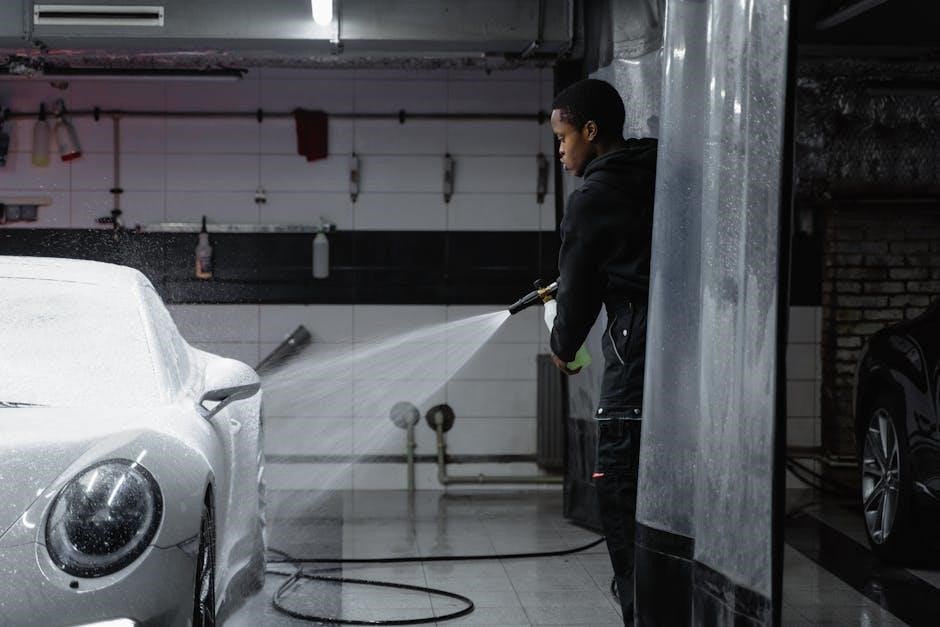
From light-duty tasks like washing cars to heavy-duty jobs like deck cleaning, Greenworks offers models with varying PSI (pounds per square inch) and GPM (gallons per minute) to suit diverse needs.
The brand distinguishes itself through both corded electric and battery-powered options, providing flexibility and convenience.
Greenworks pressure washers are frequently praised for their affordability and ease of use, making them accessible to a wide audience.
Understanding your specific model is crucial, and this guide will help navigate the features and operation of your Greenworks pressure washer.
Understanding Greenworks Pressure Washer Models
Greenworks offers a broad spectrum of pressure washer models, each designed for specific cleaning demands. Key differentiators include PSI and GPM ratings, directly impacting cleaning power and efficiency. Lower PSI models, like the GPW1501, are ideal for lighter tasks, while the GPW3000 delivers robust performance for tougher grime.
Understanding the distinction between corded and battery-powered models is also vital. Corded washers provide consistent power, while battery-powered options offer portability. Models often include multiple nozzles (15°, 25°, 40°, soap, turbo) for versatile cleaning. Careful consideration of your needs will guide you to the optimal Greenworks model.
Popular Models: GPW3000, GPW2702A, GPW1501

The Greenworks GPW3000 boasts 3000 PSI, excelling at demanding tasks like deck and driveway cleaning. The GPW2702A, with 2700 PSI, strikes a balance between power and versatility, suitable for various surfaces. The GPW1501, a lighter-duty option, provides 1500 PSI, perfect for cars and gentle cleaning.
Each model features adjustable nozzles for tailored spray patterns. They commonly include soap application settings for detergent use. Amazon listings showcase these models, highlighting their cold water electric operation and gallon-per-minute (GPM) ratings. Choosing depends on the scale and intensity of your cleaning projects.
Corded vs. Battery-Powered Greenworks Washers
Greenworks offers both corded and battery-powered pressure washers, catering to diverse needs. Corded models provide consistent power for extended use, ideal for large projects, but require proximity to an outlet. Battery-powered washers offer portability and convenience, eliminating cords, but runtime depends on battery capacity.
The choice hinges on project size and accessibility. Battery technology is advancing, making Greenworks’ battery options increasingly viable. Consider the trade-offs between unlimited power and cordless freedom when selecting the right Greenworks pressure washer for your requirements.
Safety Precautions & Important Warnings
Prioritize safety when operating your Greenworks pressure washer. Always wear safety glasses to protect your eyes from debris. Avoid directing the spray at people, animals, or electrical equipment. Never modify the pressure washer or use incompatible accessories.
Be mindful of the high-pressure spray, which can cause serious injury. Disconnect the power source before servicing or changing nozzles. Refer to the full manual for detailed safety guidelines and heed all warning labels. Proper operation ensures a safe and effective cleaning experience.

Component Identification
Familiarize yourself with your Greenworks pressure washer’s parts. Key components include the spray gun, various nozzles (15°, 25°, 40°, soap, turbo), and the high-pressure hose. The motor housing contains the pump and electrical components.
Understand the function of each part for proper assembly and operation. Inspect hoses for damage before each use, ensuring secure connections. The detergent tank (if equipped) is crucial for soap application. Refer to the diagram in your manual for a visual guide to all components.
Spray Guns & Nozzles
The spray gun is your primary control for water flow and pressure. Ensure a firm grip and engage the safety lock when not in use. Nozzles determine spray pattern and intensity. A 15° nozzle is ideal for tough stains, while 25° and 40° are for general cleaning.
The soap nozzle applies detergent, and the turbo nozzle delivers a concentrated, rotating stream. Always select the appropriate nozzle for the surface to avoid damage. Regularly inspect nozzles for clogs and clean as needed for optimal performance.
Hoses and Connections
The high-pressure hose is crucial for delivering water from the pump to the spray gun. Inspect it before each use for cracks, kinks, or damage. Securely connect the hose to both the pressure washer and the spray gun, ensuring tight connections to prevent leaks.
Use only Greenworks-approved hoses and fittings to maintain pressure and safety. Proper hose storage prevents damage. After use, drain the hose completely and store it neatly to prolong its lifespan and ensure optimal performance.
Assembly Instructions
Before first use, carefully assemble your Greenworks pressure washer. Begin by attaching the handle to the pump unit using the provided bolts, ensuring a secure fit. Next, connect the high-pressure hose to both the pump and the spray gun, tightening connections firmly.
Attach the desired nozzle to the spray gun wand. Finally, if required, connect the detergent tank and ensure all components are properly aligned and secured. Refer to the diagrams in this manual for visual guidance during assembly.
Operating Instructions
To start your Greenworks pressure washer, connect the water supply and ensure it’s fully turned on. Plug the unit into a grounded outlet (for corded models) or install the battery (for battery-powered versions). Turn the power switch to the “ON” position.
Pull the trigger on the spray gun to initiate water flow. Adjust the pressure settings using the pressure control knob to suit the cleaning task. To stop, release the trigger and turn the power switch to “OFF”.
Starting and Stopping the Pressure Washer
Before starting, ensure all connections are secure and the water supply is fully on. For corded models, plug into a grounded outlet. Battery-powered units require a fully charged battery. Turn the power switch to the “ON” position.
To start water flow, depress the trigger on the spray gun. To stop, release the trigger first, then turn the power switch to “OFF”. Never disconnect the water supply while the unit is running. Always allow the pump to fully depressurize before storage.
Adjusting Pressure Settings
Greenworks pressure washers offer adjustable pressure, typically controlled via quick-connect nozzles. Select the appropriate nozzle – 15°, 25°, 40°, soap, or turbo – to match the cleaning task. Lower numbers indicate a more concentrated, powerful spray for stubborn dirt.
Higher numbers deliver a wider, gentler spray for delicate surfaces. Some models feature a pressure regulator dial for fine-tuning. Always start with the lowest pressure setting and gradually increase as needed to avoid damage.
Nozzle Selection Guide
Choosing the right nozzle is crucial for effective cleaning. The 15° nozzle delivers a strong, pinpoint spray for tough grime. The 25° nozzle offers a wider pattern for general cleaning tasks. Utilize the 40° nozzle for delicate surfaces like painted wood to prevent damage.
The soap nozzle applies detergent at a low-pressure, while the turbo nozzle provides a rotating, powerful stream. Always test on an inconspicuous area first to ensure compatibility and avoid surface harm.
Detergent Usage
Proper detergent use enhances cleaning power. Greenworks pressure washers feature a built-in detergent tank or siphon tube for soap application. Ensure the detergent is specifically formulated for pressure washers to prevent damage.

Recommended detergents include those designed for cars, decks, and siding. Always dilute detergents according to the manufacturer’s instructions. Avoid using bleach or abrasive cleaners. Select the soap nozzle for optimal foam coverage and rinsing.
Soap Application Methods
Greenworks washers offer two primary soap application methods: built-in tanks and siphon tubes. Built-in tanks are ideal for consistent detergent mixing and delivery, simply fill and select the soap nozzle.
Siphon tubes draw detergent directly from a container; ensure the tube is fully submerged. Adjust the detergent flow rate using the washer’s control knob for desired foam levels. Regularly check and clean the siphon tube to prevent clogs and maintain optimal performance.
Recommended Detergents
Greenworks recommends using detergents specifically formulated for pressure washers to prevent damage and ensure optimal cleaning. Avoid household cleaners, bleach, or abrasive chemicals. Greenworks offers its own line of detergents designed for various surfaces – siding, decks, concrete, and vehicles.
Biodegradable options are available for environmentally conscious users. Always dilute detergents according to the manufacturer’s instructions. Using the correct detergent enhances cleaning power and protects your Greenworks pressure washer from corrosion and malfunction.
Maintenance and Storage
Regular maintenance extends the life of your Greenworks pressure washer. After each use, flush the detergent tank with clean water and inspect the spray gun, hose, and connections for damage. Store the unit in a dry, frost-free location.
For winter storage, completely drain all water from the pump and hose to prevent freezing. Consider using a pump protector to lubricate internal components. Proper storage safeguards against corrosion and ensures reliable performance when you need it next spring.
Cleaning After Each Use
Post-operation cleaning is crucial for longevity. Immediately after each use, disconnect the water supply and trigger the spray gun to relieve remaining pressure. Flush the detergent tank thoroughly with clean water to prevent clogging and residue buildup.
Wipe down the exterior of the pressure washer with a damp cloth. Inspect the nozzle for obstructions and clear any debris. Proper cleaning prevents damage and ensures optimal performance for future cleaning tasks, maintaining your Greenworks investment.
Winterizing Your Pressure Washer
Protecting your Greenworks pressure washer from freezing temperatures is vital. Before storing for winter, completely drain all water from the pump, hose, and detergent tank. Use a pump saver antifreeze kit specifically designed for pressure washers to prevent internal damage.
Disconnect and store the hose in a frost-free location. Ensure the unit is dry before covering and storing it indoors. Proper winterization safeguards against costly repairs and ensures reliable operation next season.
Troubleshooting Common Issues
Encountering problems? Low pressure often stems from a clogged nozzle, kinked hose, or insufficient water supply – check these first. For spray gun malfunctions, ensure proper connections and inspect for damage. If the unit fails to start, verify the power source and safety lock-out.
Persistent issues may require professional service. Refer to the full manual for detailed diagnostics and safety precautions before attempting repairs. Ignoring problems can lead to further damage.
Low Pressure Problems
Reduced cleaning power? Low pressure is a common issue. First, inspect the nozzle for clogs – remove and clean thoroughly. Next, check the hose for kinks or obstructions restricting water flow. Ensure a sufficient water supply is reaching the unit; a low flow will impact performance.
Verify proper connections and consider the selected nozzle; some nozzles deliver lower pressure. If problems persist, consult the full manual for advanced troubleshooting steps.
Spray Gun Malfunctions
Experiencing issues with the spray gun? A frequent problem stems from the recent recall affecting Greenworks and Powerworks spray guns due to potential separation and injury risk. Immediately discontinue use if you suspect a faulty gun.
Other malfunctions include trigger issues – check for debris or a damaged trigger mechanism. Inspect the spray gun connections for leaks or looseness. If the gun fails to respond, consult the manual for specific repair or replacement guidance.
Recall Information: Recent Safety Notices
A critical safety recall impacts Greenworks and Powerworks pressure washer spray guns, issued by Hongkong Sun Rise Trading. Over 1 million units are affected, posing a risk of the spray gun separating, potentially causing laceration injuries.
The U.S. Consumer Product Safety Commission (CPSC) posted the notice. Owners should immediately stop using the recalled spray guns and contact Hongkong Sun Rise Trading for a free replacement. Verify if your model is included in the recall via the CPSC website.
Understanding the Hongkong Sun Rise Trading Recall

Hongkong Sun Rise Trading initiated a large-scale recall affecting spray guns included with Greenworks and Powerworks pressure washers. The issue centers around the spray gun potentially detaching from the pressure washer wand during use; This separation creates a dangerous projectile risk, leading to potential injuries like lacerations.
The recall encompasses over one million units sold in the US. Consumers are urged to check the model number of their spray gun against the list provided by the CPSC. A free replacement spray gun is offered upon verification of eligibility.
Comparing Greenworks to Ryobi Pressure Washers

Both Greenworks and Ryobi offer a diverse range of electric pressure washers, catering to various cleaning needs and budgets. Greenworks distinguishes itself with a broader selection of both corded and battery-powered models, providing greater flexibility. Ryobi, however, benefits from its extensive One+ battery system compatibility.
When considering power, Greenworks often provides higher PSI ratings in certain models, suitable for tougher jobs. Ryobi focuses on affordability and convenience, making it a strong contender for lighter-duty tasks. Ultimately, the best choice depends on individual requirements.
Where to Find Additional Resources & Support
For comprehensive support, the Greenworks official website is the primary resource, offering downloadable manuals, FAQs, and helpful videos. Customers can also access detailed product information and register their pressure washer for warranty purposes.
Direct assistance is available through Greenworks’ customer service. Contact information, including phone numbers and email addresses, can be found on their website. Additionally, numerous online forums and communities provide user-to-user support and troubleshooting advice for Greenworks products.
Greenworks Official Website
The Greenworks website serves as a central hub for all product-related information. Users can easily download digital versions of their pressure washer manuals, ensuring they always have access to crucial operating instructions and safety guidelines.
The site also features a robust FAQ section, addressing common questions and troubleshooting tips. Furthermore, customers can register their products for warranty coverage and find replacement parts. Detailed specifications and accessory options are readily available, enhancing the user experience.
Customer Service Contact Information
For direct assistance with your Greenworks pressure washer, reaching their customer service team is vital; While specific contact details may vary, the official Greenworks website provides the most up-to-date information.
Typically, support is available via phone and email, allowing users to choose their preferred method of communication. Online chat support may also be offered during business hours. When contacting support, having your model number and purchase date readily available will expedite the process.
Greenworks Pressure Washer Accessories
Enhance your Greenworks pressure washer’s capabilities with a range of available accessories. These include various nozzles – 15°, 25°, 40°, soap, and turbo – for diverse cleaning tasks. Extension wands provide increased reach, while surface cleaners efficiently tackle driveways and patios.
Additional accessories like rotating brushes and foam cannons further expand cleaning options. Greenworks offers both individual accessories and bundled kits to suit different needs. Always ensure compatibility with your specific pressure washer model before purchasing.