
Triple 8 Helmet Size Guide: A Comprehensive Overview (Updated April 30, 2026)
Finding the right Triple 8 helmet fit is essential for safety and comfort. This guide, updated today, April 30, 2026, details sizing, measurement, and fit checks for optimal protection.
Triple 8 has established itself as a leading brand in protective gear, particularly renowned for its high-quality helmets catering to a diverse range of action sports. From skateboarding and roller skating to BMX and snowboarding, Triple 8 prioritizes rider safety with innovative designs and rigorous testing. Their helmets aren’t just about protection; they focus on comfort and style, making them a popular choice among enthusiasts of all levels.
A core element of the Triple 8 philosophy is ensuring a proper fit. A helmet that doesn’t fit correctly compromises its protective capabilities. This guide is dedicated to navigating the nuances of Triple 8 helmet sizing, helping you determine the ideal fit for your head. Understanding the different models, accurately measuring your head circumference, and knowing what to do if you fall between sizes are all crucial steps. We’ll explore the specifics of the popular Sweatsaver series and provide a detailed breakdown of the size charts, ensuring you ride with confidence and security.
Why Accurate Sizing is Crucial
Proper helmet sizing isn’t merely about comfort; it’s fundamentally about safety. A helmet that’s too large can shift during impact, reducing its protective effectiveness and potentially causing serious injury. Conversely, a helmet that’s too small can be uncomfortable, restrict vision, and may not provide adequate coverage.
The force of an impact is distributed across the entire helmet shell when it fits correctly. An ill-fitting helmet concentrates that force on specific points, increasing the risk of concussion or other head trauma. Accurate measurement, therefore, is paramount. Triple 8 helmets are engineered to meet stringent safety standards, but those standards are only fully realized when the helmet is worn as intended – snugly and securely on the head.
Taking the time to measure correctly and understand the size charts ensures you receive the maximum protection offered by a Triple 8 helmet, allowing you to focus on enjoying your activity with peace of mind.
Understanding Triple 8 Helmet Models
Triple 8 offers a diverse range of helmets catering to various action sports, but sizing principles remain consistent across most models. While specific features may differ – such as ventilation or shell construction – the core sizing guidelines apply. The popular Sweatsaver series, known for its comfortable fit and moisture-wicking liner, utilizes the same sizing chart as many of their certified helmets.
However, it’s crucial to note that even within Triple 8’s lineup, slight variations in internal shape can occur. Some models may be more accommodating to rounder head shapes, while others suit more oval heads. Always refer to the specific product description for any model-specific fitting recommendations.
Understanding that a universal size doesn’t exist is key. This guide provides a general framework, but individual head shapes and preferences should always be considered when selecting a Triple 8 helmet.
Sweatsaver Series: A Popular Choice
The Triple 8 Sweatsaver helmet series consistently ranks as a top pick among skaters, roller derby players, and action sports enthusiasts; Its enduring popularity stems from a combination of reliable protection, comfortable design, and affordability. A key feature is the integrated Sweatsaver liner, designed to absorb perspiration and keep riders cool and dry during intense activity.
This series is available in various certifications, including standard and certified models, offering different levels of impact protection. Regardless of the certification, the Sweatsaver helmets adhere to the same core sizing guidelines. This makes it easier to find the right fit, even if you’re new to the brand.
The Sweatsaver’s widespread availability and positive reputation make it an excellent starting point for anyone seeking a quality, well-fitting helmet from Triple 8.
Certified Sweatsaver Helmet Features
Triple 8’s Certified Sweatsaver helmets elevate protection standards with key features designed for high-impact activities. These helmets surpass standard certifications, offering enhanced safety for skaters and riders pushing their limits. The robust shell construction, combined with the Sweatsaver liner, provides superior impact absorption and comfort.
Beyond the core Sweatsaver benefits, certified models boast reinforced ABS shell technology. This increases durability and impact resistance. Ventilation is also improved, keeping the head cooler during strenuous use. The certification ensures the helmet meets rigorous safety standards, providing peace of mind.
When selecting a Certified Sweatsaver, remember to adhere to the same sizing guidelines as the standard Sweatsaver series. Accurate measurement remains crucial for optimal protection and a secure fit.

How to Measure Your Head for a Triple 8 Helmet
Accurate head circumference measurement is vital for a secure and comfortable Triple 8 helmet fit. Use a flexible measuring tape, positioning it correctly for precise sizing.
Tools You’ll Need for Measurement
Preparing to measure your head for a Triple 8 helmet is straightforward, requiring only a few easily accessible tools. The most crucial item is a flexible measuring tape – the kind commonly used for sewing. Avoid using metal measuring tapes, as they won’t conform to the shape of your head accurately. A soft, cloth or plastic tape is ideal.

Beyond the measuring tape, having a mirror can be incredibly helpful, especially if you’re measuring your head yourself. This allows you to visually confirm the tape’s position and ensure it’s level all the way around. While not strictly necessary, a friend or family member can assist with taking the measurement for increased accuracy.
Finally, a pen or marker can be useful for lightly marking the eyebrow level or forehead starting point, ensuring consistency if you need to measure multiple times. With these simple tools, you’ll be well-equipped to determine your correct Triple 8 helmet size and enjoy a safe and comfortable fit!
Step-by-Step Head Circumference Measurement
Accurate measurement is key to finding your perfect Triple 8 helmet size. Begin by holding the measuring tape horizontally around your head, ensuring it sits approximately one inch (2.5 cm) above your eyebrows. This is a critical reference point for consistent results. Keep the tape level, passing around the widest part of your head – typically, this is about halfway between the top of your forehead and the back of your head.
Pull the tape snug, but not too tight; it should be comfortably firm against your scalp. Avoid pulling it so tightly that it compresses your head. Read the measurement where the end of the tape meets the starting point. Record this number in inches and centimeters for comparison with the Triple 8 size chart.
Repeat the measurement two or three times to ensure accuracy. If you obtain slightly different readings, use the largest measurement as your guide. This multi-step process guarantees a reliable head circumference for selecting the right helmet.
Measuring at the Eyebrow Level
Positioning the measuring tape at your eyebrow level is crucial for an accurate Triple 8 helmet size. This method ensures the helmet will sit correctly on your head, providing optimal protection during activities like skating or other sports. Begin by locating the point approximately one inch (2.5 cm) above your eyebrows – this is your starting point.
Wrap the measuring tape around your head, maintaining a consistent horizontal plane. Ensure the tape passes across the widest part of your head, typically around the back. Avoid angling the tape upwards or downwards, as this will distort the measurement. Keep the tape snug, but not overly tight, against your head.
Reading the measurement at this level provides the most reliable data for matching your head circumference to the Triple 8 size chart. This precise technique minimizes errors and helps you select a helmet that fits securely and comfortably.

Measuring from the Forehead
An alternative method for determining your Triple 8 helmet size involves measuring from the forehead. Starting in the middle of your forehead, wrap a flexible measuring tape around your head. This approach offers another point of reference, particularly useful for individuals with unique head shapes or those finding difficulty with the eyebrow level measurement.
Ensure the tape passes horizontally around the head, maintaining a consistent level. Similar to the eyebrow method, the tape should sit just above the ears and across the widest part of the back of the head. Avoid pulling the tape too tightly, as this can result in an inaccurate, smaller measurement.
Compare this forehead measurement with the Triple 8 size chart to determine your corresponding helmet size. It’s recommended to take both eyebrow and forehead measurements and compare the results for the most accurate fit.

Triple 8 Helmet Size Chart – Detailed Breakdown
Below is a comprehensive size chart for Triple 8 helmets, detailing head circumference ranges in both inches and centimeters for accurate selection and a secure fit.

XS/S Size Range (Inches & Centimeters)
The Triple 8 XS/S helmet size is designed to comfortably and securely fit head circumferences ranging from 20 to 21.25 inches. When converting to the metric system, this translates to a range of 51 to 54 centimeters. This size is typically suitable for individuals with smaller head sizes, often including younger riders or those with a naturally smaller frame.
Accurate measurement is crucial; ensure you’re measuring at the eyebrow level for the most precise fit. If your measurement falls within this range, the XS/S size is likely the best starting point. However, remember to consider head shape – a more rounded head might benefit from the larger end of the range, while a more oval shape might prefer the smaller end.
It’s important to note that these are general guidelines. Always prioritize a snug, but not overly tight, fit. A properly fitted helmet should not move excessively on your head during activity. Refer to the fit check section for detailed instructions on verifying a secure fit.
S/M Size Range (Inches & Centimeters)
The Triple 8 S/M helmet size accommodates head circumferences between 21 and 22.5 inches. In centimeters, this equates to a range of 53 to 57 centimeters. This is a very common size, fitting a broad range of adults and older children. It’s a popular choice for those who find themselves between the smaller XS/S and the larger L/XL sizes.
When measuring, maintain the eyebrow level technique for accuracy. If your head circumference falls within this range, the S/M size is a strong contender. However, individual head shapes play a role; a more oval head might lean towards the 21-inch end, while a rounder head might prefer the 22.5-inch side.
Remember, a secure fit is paramount. The helmet should feel snug without causing discomfort or restricting movement. Always perform a fit check (detailed in a later section) to ensure minimal shifting during activity. Prioritize safety and comfort when selecting your size.
L/XL Size Range (Inches & Centimeters)
The Triple 8 L/XL helmet size is designed for head circumferences ranging from 22.5 to 23.5 inches. Converting to metric, this corresponds to 57 to 60 centimeters. This size typically suits individuals with larger heads or those who prefer a slightly more spacious fit. It’s a crucial option for those who find the S/M size too constricting.
Accurate measurement at the eyebrow level is vital when determining if L/XL is the correct choice. If your measurement falls within this range, begin with this size as a starting point. However, consider your head shape; a rounder head may require the larger end of the range, while a more oval shape might fit comfortably at the lower end.
Prioritize a secure, yet comfortable, fit. The helmet should not move excessively during activity. Always conduct a thorough fit check to confirm proper positioning and stability. A well-fitted L/XL helmet provides optimal protection and peace of mind.
XL/XXL Size Range (Inches & Centimeters)
Triple 8’s XL/XXL helmet size accommodates head circumferences between 23.5 and 24.5 inches. In centimeters, this translates to a range of 60 to 63 centimeters. This size is specifically engineered for individuals with significantly larger heads, ensuring a secure and comfortable fit where other sizes may fall short.
When measuring, precision is key. If your head circumference falls within this range, the XL/XXL is the recommended starting point. Remember that head shape plays a role; those with particularly round or broad heads may require the larger end of the spectrum for optimal comfort and protection.
A proper fit is paramount for safety. The helmet should feel snug but not overly tight, with minimal movement during activity. Always perform a fit check, and utilize any adjustable features to fine-tune the fit for maximum security and confidence.

What to Do If You’re Between Sizes
If your head measurement falls between sizes, it’s generally recommended to “size up” to the larger option. Prioritize a secure fit, especially during high-impact activities.
The “Size Up” Recommendation
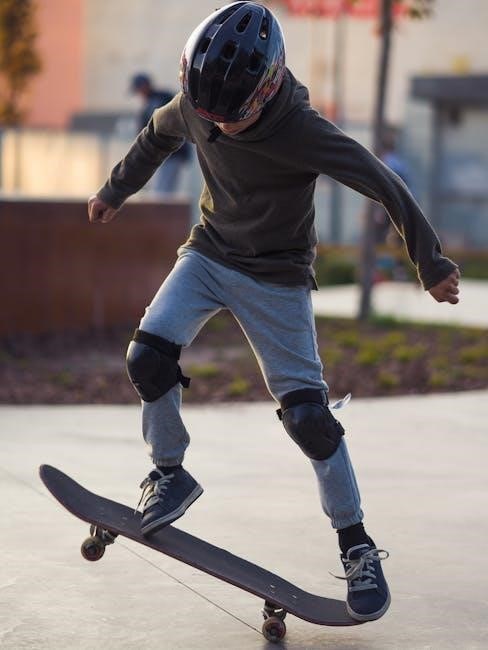
When your head circumference lands directly on the boundary between two Triple 8 helmet sizes, the prevailing advice from experienced users and safety experts is to consistently “size up” and choose the larger option. This isn’t merely a suggestion; it’s a proactive step towards ensuring optimal protection during activities like skating or other sports. A slightly larger helmet allows for a more comfortable and secure fit, minimizing the risk of the helmet shifting or becoming dislodged upon impact.
A helmet that’s too small can create pressure points, leading to discomfort and potentially hindering your focus. More critically, a snug fit that’s too snug compromises the helmet’s ability to effectively absorb and dissipate impact forces. The extra space afforded by sizing up allows for the inclusion of a beanie or thicker head covering in colder weather, maintaining a consistent level of protection year-round. Remember, a properly fitted helmet is a crucial component of injury prevention, and erring on the side of slightly larger is often the safer choice.
Considering Helmet Activity (Skating vs. Other Sports)
While Triple 8 helmets are versatile and suitable for various activities, the specific nature of your primary use case – whether it’s inline skating, skateboarding, or another sport – should influence your sizing considerations. Skating often involves higher speeds and a greater potential for falls impacting the head, necessitating a particularly secure fit. If skating is your main focus, prioritize a snugger fit within the recommended size range, leaning towards the smaller end if you’re close to a boundary.
For activities with lower impact risks, a slightly looser fit might be acceptable for enhanced comfort. However, never compromise on fundamental safety. Regardless of the sport, the helmet should not move excessively on your head during activity. Always perform a fit check (detailed elsewhere in this guide) to ensure stability. Remember, a consistent and secure fit is paramount, and adapting slightly based on activity can optimize both protection and comfort.
Impact of Head Shape on Fit
Head shape significantly impacts helmet fit, and a standard size chart doesn’t account for individual variations. While circumference is crucial, consider whether your head is more round or oval. Individuals with more oval-shaped heads might find that some helmets feel too loose side-to-side, even within the correct circumference range. Conversely, those with rounder heads may experience pressure points or a feeling of constriction.
Triple 8 helmets, like many others, are designed with a generally oval internal shape. If you suspect your head shape deviates significantly, trying on multiple models or brands is highly recommended. Pay attention to how the helmet distributes pressure across your forehead, temples, and the back of your head. A comfortable, even pressure distribution indicates a better fit. Don’t solely rely on the size chart; prioritize how the helmet feels on your unique head shape.

Triple 8 Helmet Fit Check
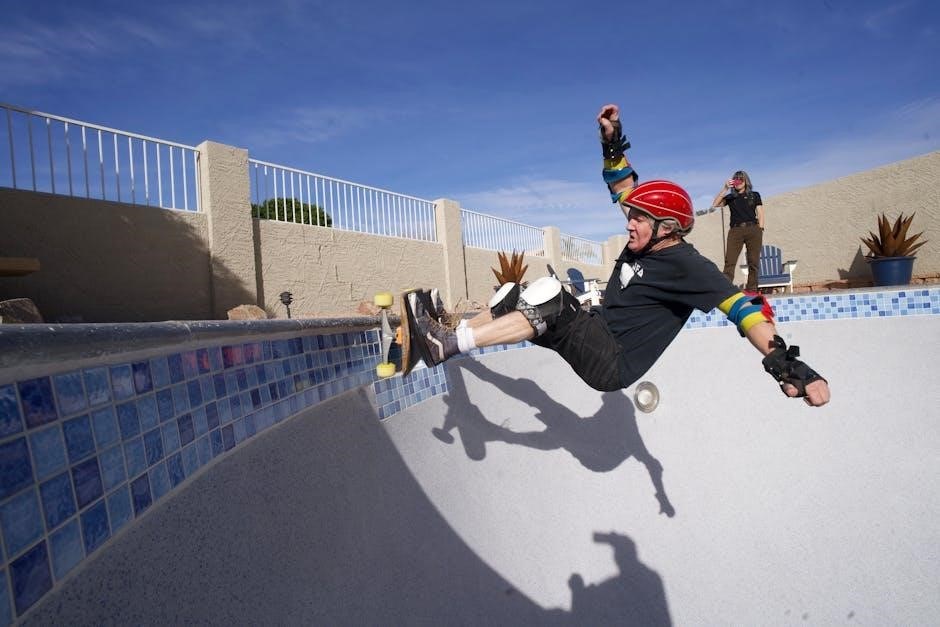
Ensure a secure fit by verifying minimal movement during activity. The helmet should feel snug, not tight, and remain stable without shifting on your head.
Ensuring a Snug, But Not Tight, Fit
Achieving the correct fit with your Triple 8 helmet is paramount for both comfort and, more importantly, protection. A properly fitted helmet shouldn’t feel overly tight, causing discomfort or pressure points. Conversely, it shouldn’t be loose enough to shift around on your head during activity. The goal is a snug, secure feel that provides confidence without restriction.
When first trying on the helmet, you should feel even pressure distributed around your entire head. There shouldn’t be any noticeable gaps or areas where the helmet doesn’t make full contact with your skin. If you can easily rotate the helmet on your head, it’s likely too loose. A good test is to open your mouth wide – the helmet should pull down slightly with this movement, indicating a secure fit.
Remember, a comfortable helmet is a safe helmet. Don’t compromise on fit for style or perceived coolness. Take the time to adjust the fit system, if your model has one, to fine-tune the comfort and security. Prioritize a snug, but not constricting, feel for optimal protection during skating or other activities.
Checking for Movement During Activity
A static fit check isn’t enough; evaluating helmet stability during activity is crucial. Once you believe you’ve achieved a snug fit, simulate the movements you’ll be performing while wearing the helmet – whether it’s skating, skateboarding, or another sport. This dynamic assessment reveals any potential for shifting or instability that a stationary check might miss.
Specifically, try quick head turns, looking up and down, and side-to-side. The helmet should move with your head, not independently. If you notice any significant movement, looseness, or lifting, the helmet is likely too large or hasn’t been properly adjusted. Repeat the open-mouth test while simulating activity; increased movement indicates a compromised fit.
Pay attention to how the helmet feels during these movements. Any discomfort, pressure points, or areas of slippage should be addressed. A secure helmet remains firmly in place, providing consistent protection throughout your activity. Don’t hesitate to re-evaluate and adjust until you achieve this level of stability.
Adjusting the Helmet’s Fit System
Triple 8 helmets often feature adjustable fit systems to fine-tune the helmet to your head shape and size. These systems typically include internal padding and a rear dial or straps designed to customize the fit. Begin by ensuring the internal padding is correctly positioned for optimal comfort and coverage;
Next, utilize the rear dial (if equipped) to tighten or loosen the helmet’s grip. Rotate the dial until you achieve a snug, yet comfortable, fit. If your helmet uses straps, adjust them evenly to distribute pressure around your head. Avoid overtightening, which can cause discomfort and reduce effectiveness.
Periodically re-adjust the fit system, especially after initial use or if you notice any shifting during activity. A properly adjusted helmet should feel secure without causing pressure points. Remember, a customized fit is paramount for maximizing protection and ensuring a comfortable experience.