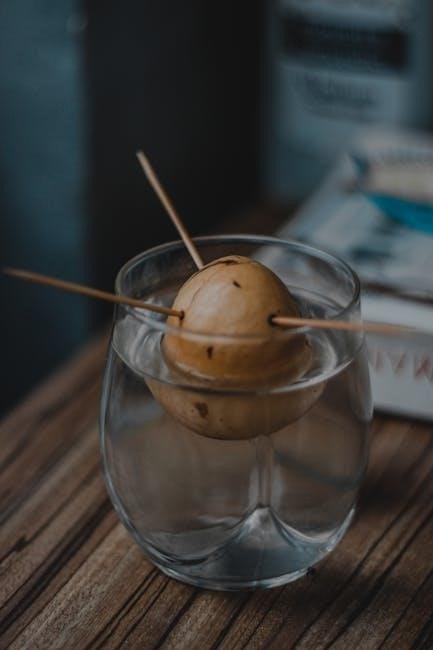
Garden Cubes offer a smart, self-contained hydroponic experience, growing plants in water—not soil—with delivered nutrients and light. It’s revolutionizing indoor gardening!
What is a Garden Cube?
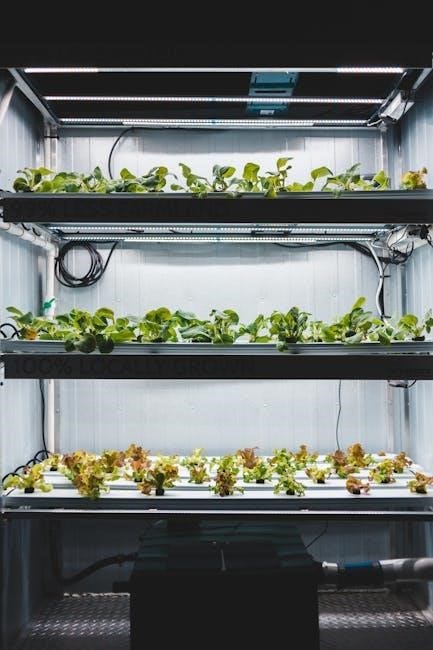
A Garden Cube is a compact, intelligent hydroponic system designed for effortless indoor gardening. Unlike traditional methods, it cultivates plants without soil, utilizing a water-based nutrient solution and LED grow lights. This self-contained unit delivers everything a plant needs – water, light, and nourishment – in a stylish and space-efficient design.
The HP-GC001 model exemplifies this, offering a quick and easy way to grow fresh produce year-round, perfect for beginners and experienced gardeners alike.
The Benefits of Hydroponic Gardening
Hydroponic gardening, as utilized in the Garden Cube, offers numerous advantages. It’s significantly more space-efficient than soil-based gardening, allowing for year-round cultivation regardless of external weather conditions. Plants typically exhibit faster growth rates due to direct access to nutrients.
Furthermore, hydroponics conserves water and minimizes the risk of soilborne diseases, resulting in healthier, more abundant harvests.
Unboxing and Component Overview
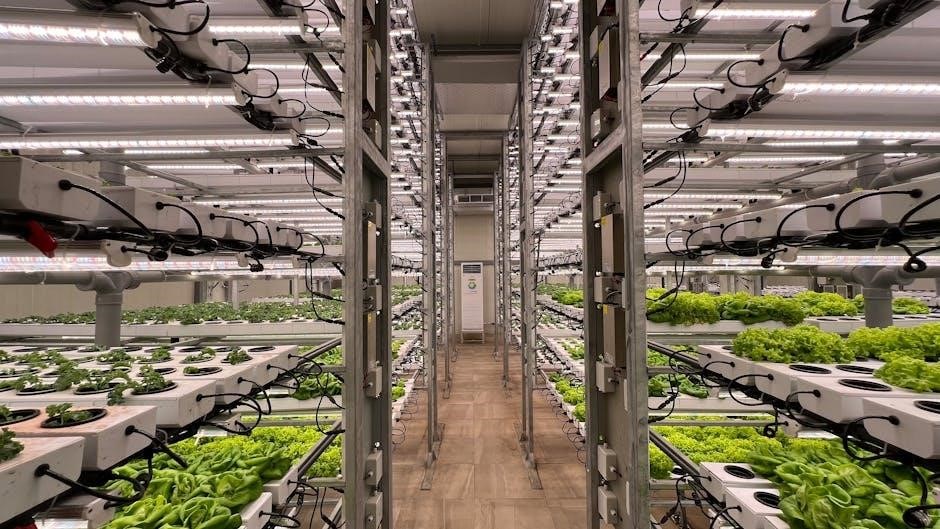
Garden Cube systems arrive with all necessary components for setup. Expect a cube structure, LED grow lights, grow pods, and instructions for a thriving indoor garden.
Garden Cube Contents Checklist
Upon unboxing your Garden Cube HP-GC001, verify all components are present. This includes the cube structure itself, the LED grow light panel, and a selection of grow pods designed for hydroponic cultivation. Ensure you have received the necessary power adapter and a detailed instruction manual. Check for any hydroponic nutrients or plant food, and confirm the quantity matches the product description. Finally, inspect for any damage during shipping before beginning assembly.
Identifying Key Parts
Familiarize yourself with the Garden Cube’s components. The main structure houses the water reservoir and plant sites. The LED grow light panel provides essential illumination for photosynthesis. Grow pods securely hold seedlings and facilitate root development in the nutrient solution. Locate the smart timer, controlling the light cycle. Identify the water fill point and the power adapter connection. Understanding these parts is crucial for successful setup and operation.
Setting Up Your Garden Cube
Assembly is easy for all skill levels! Simply construct the cube structure, then install the LED grow lights, preparing for a thriving indoor garden.
Assembling the Cube Structure
Begin by carefully unpacking all components, ensuring you have all the necessary pieces for the frame. The Garden Cube typically utilizes a modular design, snapping together easily without tools. Align the panels according to the included diagram, pressing firmly until secure. Double-check all connections for stability, creating a robust foundation for your hydroponic garden. A well-assembled structure is crucial for optimal plant growth and preventing leaks.
Installing the LED Grow Lights
Carefully position the LED grow lights within the designated slots inside the Garden Cube’s frame. Ensure the lights are securely fastened, preventing any accidental dislodgement. These lights provide the essential spectrum for photosynthesis. Connect the light’s power cable to the integrated smart timer, preparing for automated operation. Verify proper connection before proceeding, as the timer controls the 16-hour light/8-hour dark cycle.
Preparing the Hydroponic System
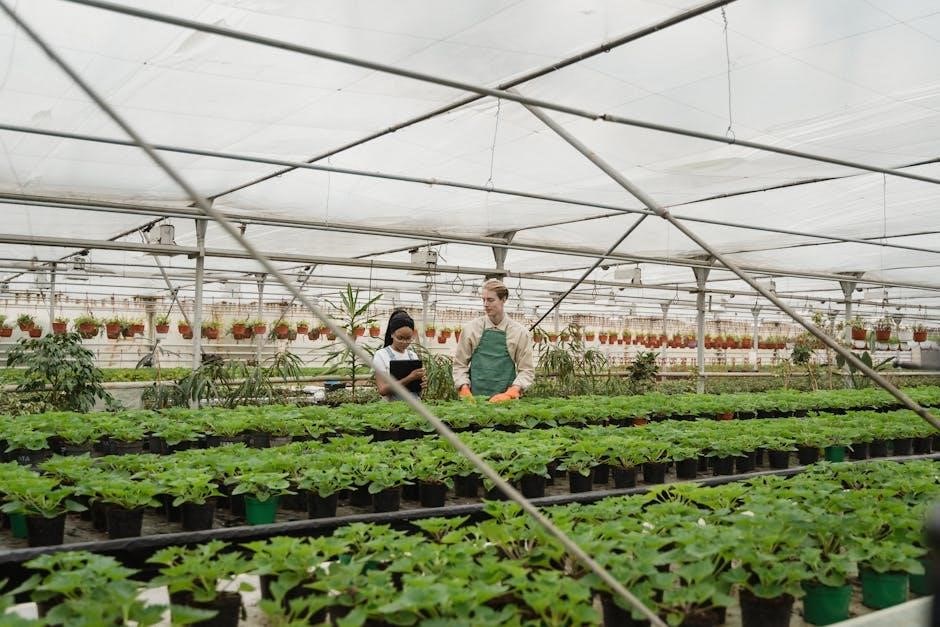
Begin by filling the water reservoir, then add hydroponic nutrients—essential for plant growth—following package directions for optimal results within your Garden Cube.
Filling the Water Reservoir
Carefully pour clean, room-temperature water into the Garden Cube’s reservoir, ensuring you reach the indicated fill line. Avoid overfilling, as this can damage the system. Distilled or filtered water is recommended for best results, minimizing mineral buildup. Regularly check the water level, especially during warmer months, as plants will consume more water during active growth phases. Maintaining the correct water level is crucial for healthy hydroponic gardening.
Adding Hydroponic Nutrients
Once the reservoir is filled with water, it’s time to add hydroponic nutrients; Follow the manufacturer’s instructions on your chosen nutrient brand for precise measurements – typically a few milliliters per gallon. Gently stir the water to ensure the nutrients are fully dissolved. GARDENCUBE offers various nutrient options for optimal plant health. Avoid over-fertilizing, as this can harm your plants!
Planting Your Seeds or Seedlings
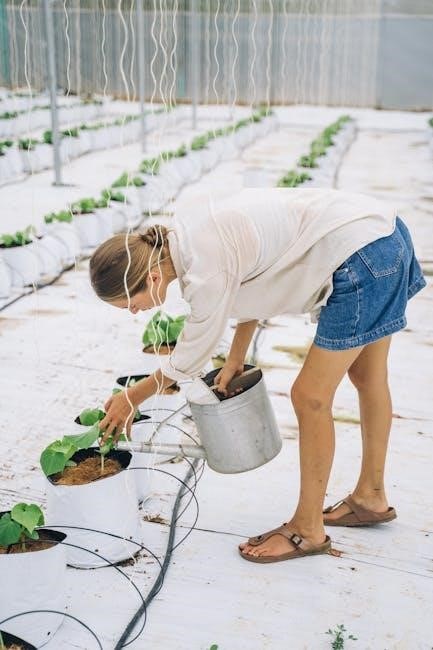
Select plants suitable for hydroponics and carefully insert grow pods into the designated slots within the Garden Cube system for successful growth.
Choosing the Right Plants
Garden Cubes excel with leafy greens like lettuce and spinach, herbs such as basil and mint, and smaller fruiting plants like strawberries or peppers. Avoid root vegetables needing deep soil. Consider plant size; the cube has limited vertical space. Prioritize compact varieties for optimal growth and yield within the system. Experiment to discover what thrives best under the LED lights and hydroponic conditions!
Inserting Grow Pods
Carefully place pre-seeded grow pods into the designated holes on the Garden Cube’s planting deck. Ensure the seed side faces down, towards the water reservoir. Gently press each pod to secure it, but avoid compressing the growing medium. These pods contain the necessary nutrients for initial germination. Consistent pod placement is key for even growth and maximizing your Garden Cube’s potential.
Operating the Garden Cube
The Garden Cube features a smart timer providing 16 hours of light for photosynthesis, then 8 hours of darkness for plant rest—effortlessly!
Understanding the Smart Timer
The integrated smart timer is a key feature, automating the light cycle for optimal plant growth. It’s pre-programmed to deliver 16 hours of bright LED light, crucial for photosynthesis – the process where plants convert light into energy. Following this, the timer automatically switches off the lights for 8 hours, allowing the plants a necessary period of darkness to rest and recover, mimicking natural day/night cycles. This automated schedule simplifies operation and ensures consistent, healthy growth without manual intervention.
Adjusting Light Settings
While the Garden Cube’s smart timer provides a pre-set light schedule, some plants may benefit from slight adjustments. Though not explicitly detailed, observing your plants is key. If leaves appear pale, consider a slightly longer light exposure. Conversely, if signs of burning appear, reduce the light duration. Remember, the default 16-hour cycle is a strong starting point, designed to promote robust photosynthesis and healthy development for a wide variety of indoor plants.
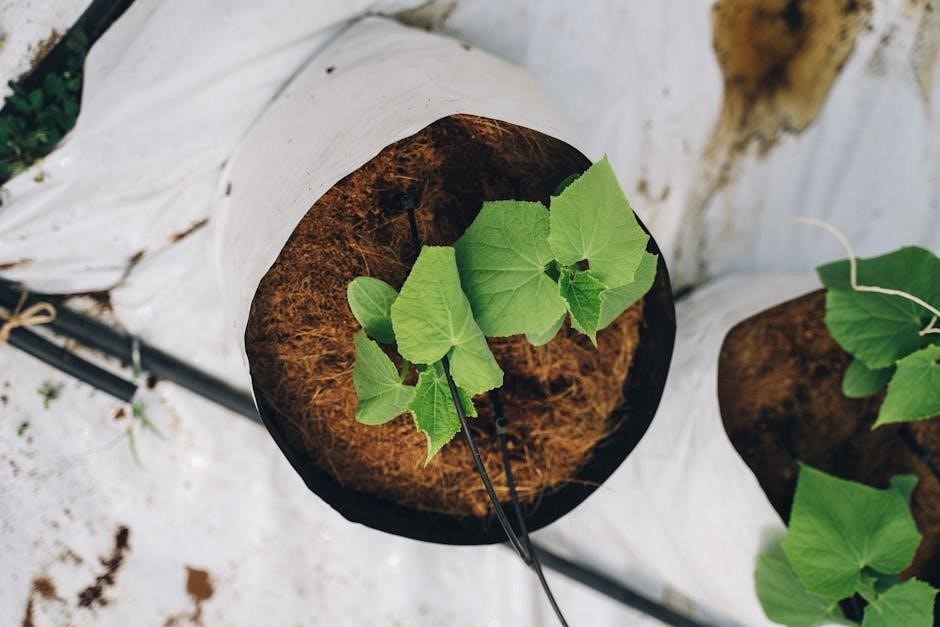
Maintaining Your Garden Cube
Regular monitoring of water levels and timely nutrient replenishment are crucial for a thriving garden. Consistent care ensures optimal plant health and growth!
Water Level Monitoring
Consistent water level checks are vital for hydroponic success. The reservoir needs sufficient water to reach the grow pods’ base, ensuring roots stay hydrated. Regularly inspect the reservoir, adding water as needed to maintain the optimal level. Low water can stress plants, hindering growth, while overfilling might damage components. Aim for consistent moisture, observing plant health as a key indicator of proper hydration within your Garden Cube.
Nutrient Replenishment Schedule
Hydroponic plants rely entirely on the nutrient solution for sustenance. Replenish nutrients regularly, as plants absorb them during growth. A general guideline is to fully replace the solution every 2-3 weeks, depending on plant size and consumption. Monitor plant health for deficiency signs – yellowing leaves indicate a need for more nutrients. Use recommended brands for optimal results within your Garden Cube system.
Troubleshooting Common Issues
Addressing algae growth and nutrient deficiencies are key to success. Regularly inspect your Garden Cube, and adjust the solution as needed for healthy plants!
Addressing Algae Growth
Algae can appear in your Garden Cube due to light exposure and nutrient presence. To combat this, ensure the reservoir is opaque to block light. Regularly clean the cube with a mild, plant-safe solution. Consider adding hydrogen peroxide in small, diluted amounts – always research proper dosage first! Maintaining a clean system and controlling light are crucial preventative measures for a thriving hydroponic garden.
Dealing with Nutrient Deficiencies
Nutrient deficiencies manifest as yellowing leaves or stunted growth; Ensure you’re using a hydroponic nutrient solution specifically formulated for your plants. Regularly replenish nutrients according to the schedule, and monitor the water’s pH level – optimal absorption requires the correct pH. Adjust nutrient concentrations based on plant needs and observe for improvements after adjustments.
Optimizing Growth
Maximize yields by controlling temperature and humidity, alongside strategic pruning and timely harvesting. These practices ensure robust plant health and abundant harvests.
Controlling Temperature and Humidity
Maintaining optimal conditions is crucial for Garden Cube success. Ideal temperatures generally range between 65-75°F (18-24°C). Monitor humidity levels; most plants thrive around 40-60%. Excessive humidity can encourage algae, while low humidity stresses plants.
Consider a small fan for air circulation and a humidifier/dehumidifier if needed. Consistent monitoring with a thermometer and hygrometer will help you fine-tune the environment for vigorous growth.
Pruning and Harvesting
Regular pruning encourages bushier growth and better air circulation within your Garden Cube. Remove any yellowing or dead leaves promptly to prevent disease. Harvesting times vary by plant; leafy greens can be snipped as needed, while fruiting plants require monitoring for ripeness.
Consistent harvesting also encourages continued production. Don’t be afraid to experiment and enjoy the fruits (and vegetables!) of your labor.
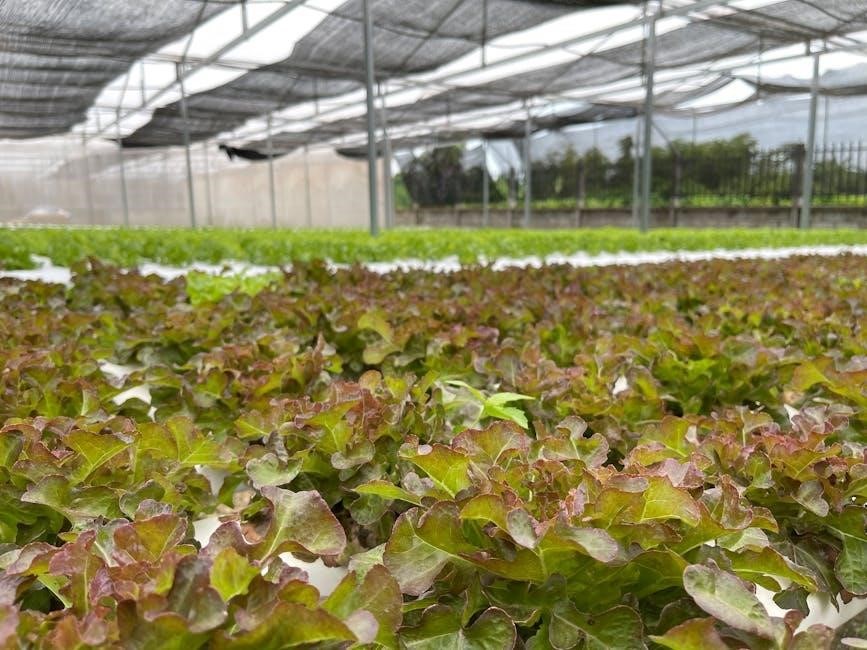
Advanced Techniques
Explore nutrient variations and cloning to maximize your Garden Cube’s potential! Experimentation unlocks optimal growth and expands your indoor gardening skillset significantly.
Experimenting with Different Nutrients
Unlock superior plant growth by testing various hydroponic nutrient blends! While GARDENCUBE provides excellent options, exploring alternatives tailored to specific plant needs can yield impressive results. Monitor plant responses closely – look for changes in leaf color, growth rate, and overall health.
Adjust nutrient concentrations carefully, following manufacturer guidelines, and document your findings. Different formulations emphasize different elements, impacting flowering, fruiting, or vegetative growth. Careful observation is key to finding the perfect recipe for your Garden Cube!
Cloning Plants in Your Garden Cube
Propagate your favorites! Cloning allows you to create genetically identical plants from cuttings within your Garden Cube. Begin with healthy mother plants and take stem cuttings, rooting them in a separate cloning medium like rockwool or rapid-rooters.
Once roots develop, carefully transfer the clones into your Garden Cube’s grow pods. Maintain consistent humidity and light levels for successful establishment. Cloning maximizes yield and preserves desired traits!
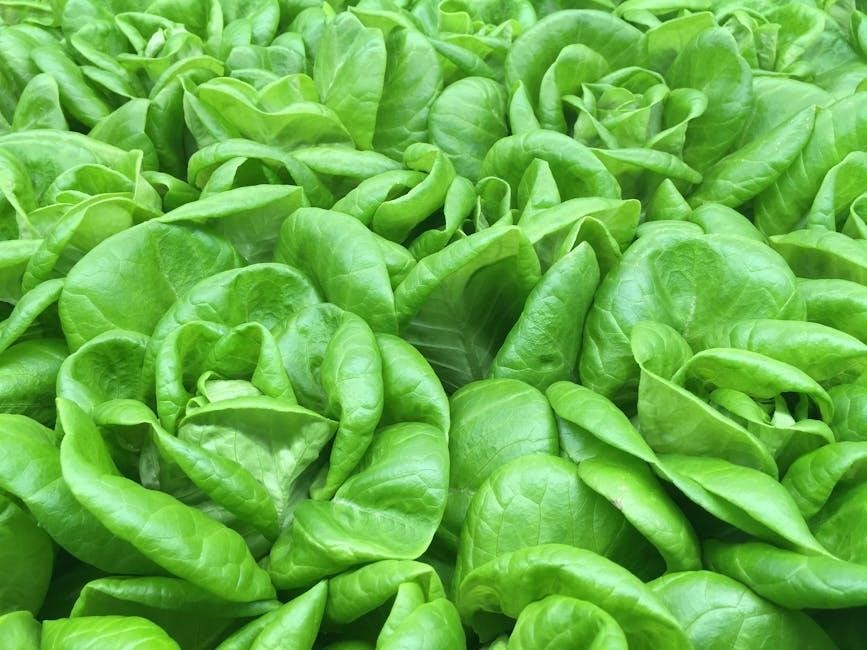
Garden Cube vs. Traditional Soil Gardening
Garden Cubes excel in space efficiency and often demonstrate faster growth rates compared to traditional soil gardening, offering a streamlined indoor gardening solution.
Space Efficiency Comparison
Garden Cubes dramatically reduce the spatial requirements for gardening. Traditional soil gardening necessitates considerable ground space, whereas a Garden Cube’s compact, vertical design fits neatly onto countertops or small shelves. This makes it ideal for apartment dwellers or anyone with limited outdoor access. Hydroponics eliminates bulky soil, further maximizing usable growing area within the cube’s structure, offering a significant advantage in space-constrained environments.
Growth Rate Differences
Garden Cubes, utilizing hydroponics, often demonstrate accelerated plant growth compared to traditional soil methods. Direct access to nutrients in the water reservoir eliminates the need for root searching, channeling energy into foliage and fruit development. The controlled environment, with optimized LED lighting, further boosts photosynthesis. This results in quicker harvests and a more efficient growing cycle, delivering fresh produce faster.
Where to Buy Garden Cube Supplies
GARDENCUBE offers a wide range of hydroponic systems and supplies, including plant food, nutrients, and complete pod kits for indoor gardening success!
Recommended Nutrient Brands
Selecting quality nutrients is crucial for thriving plants within your Garden Cube. While GARDENCUBE offers its own nutrient solutions, exploring other brands can optimize growth. Consider General Hydroponics, known for their Flora series, providing balanced formulas for various plant stages. FoxFarm also presents excellent options, particularly their Grow Big Hydroponic nutrients. Always follow dilution instructions carefully to avoid nutrient burn and ensure optimal plant health within your compact hydroponic system.
Finding Replacement Grow Pods
Maintaining your Garden Cube requires readily available replacement grow pods. GARDENCUBE directly sells pod kits designed for their systems, ensuring compatibility and optimal performance. Alternatively, reusable grow pods are available online from various retailers like Amazon. These allow you to use your preferred growing medium, such as rockwool or coco coir, offering flexibility and cost savings. Ensure pods fit securely within the cube’s structure for efficient hydroponic growth.
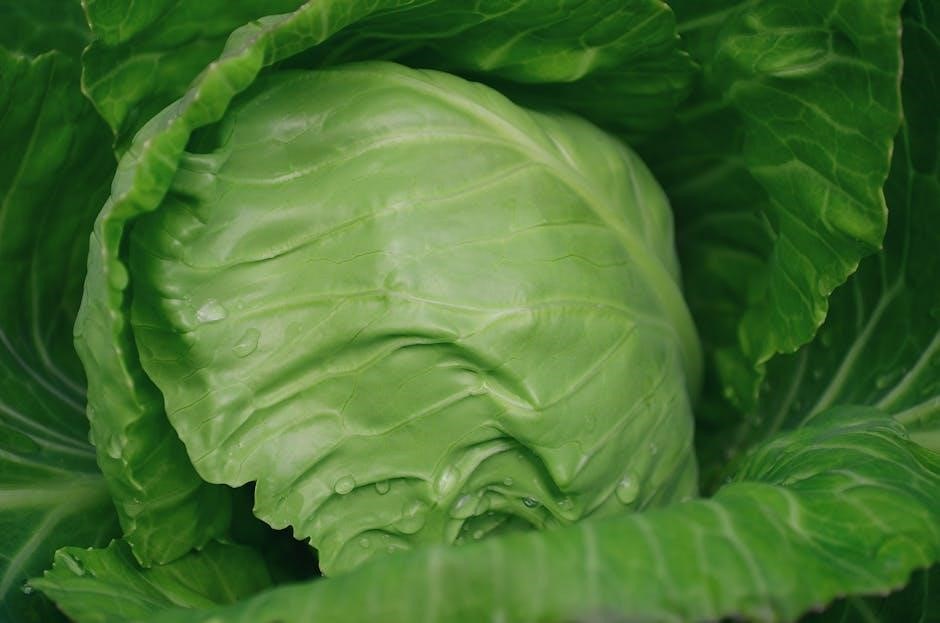
Garden Cube and Blooming Gardens Game Connection
Blooming Gardens, a puzzle game, mirrors real-life gardening by requiring strategic plant care and preventing overgrowth, similar to managing a Garden Cube.
Similarities in Plant Care Concepts
Both Garden Cube hydroponics and the Blooming Gardens game emphasize careful resource management for plant health. The game’s core mechanic—lining up flowers for removal—reflects the need to prune and harvest in a real garden.
Successful growth in both scenarios requires attention to space, preventing overcrowding, and understanding plant needs. Just as the game ends with an overgrown garden, neglecting a Garden Cube can lead to issues like algae growth or nutrient imbalances.
Using Game Strategies for Real-Life Gardening
The strategic thinking honed in Blooming Gardens translates surprisingly well to Garden Cube care. The game’s focus on efficient space utilization mirrors the compact design of the cube, encouraging mindful plant selection.
Prioritizing plant “removal” (harvesting) in the game reinforces the importance of regular harvesting in hydroponics to promote continued growth. Observing patterns in the game can inspire experimentation with nutrient solutions and light cycles.
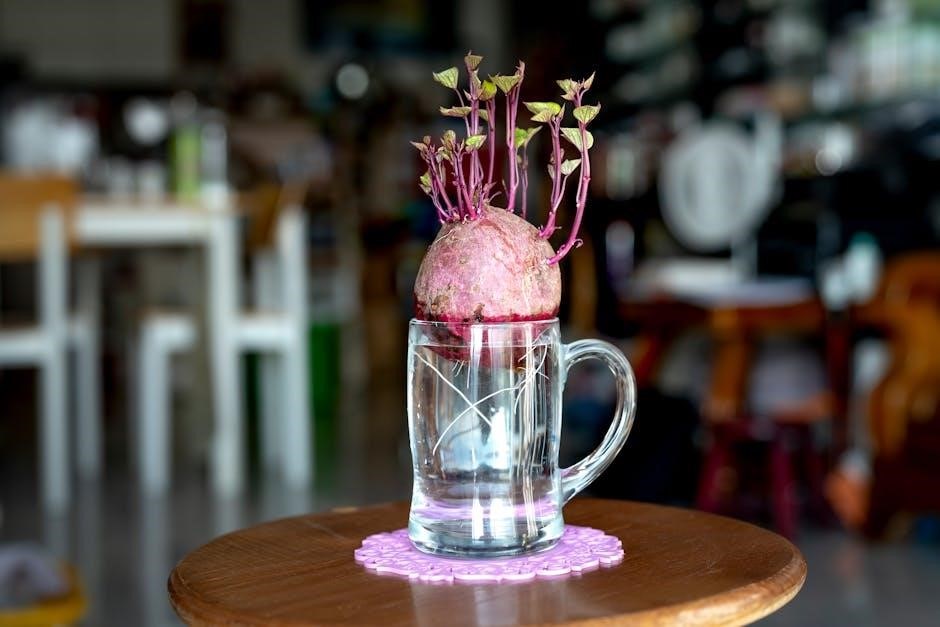
Future Trends in Garden Cube Technology
Garden Cube evolution points towards smart home integration and automated nutrient delivery, simplifying plant care and maximizing yields for effortless indoor gardening.
Smart Home Integration
Future Garden Cubes will seamlessly connect to your smart home ecosystem. Imagine controlling light cycles, monitoring water levels, and adjusting nutrient solutions all through a voice command or smartphone app! This integration allows for remote monitoring and adjustments, ensuring optimal growing conditions even when you’re away. Notifications regarding low water or nutrient levels will become standard, simplifying maintenance and guaranteeing thriving plants. Expect compatibility with platforms like Alexa and Google Assistant, truly automating your indoor garden.
Automated Nutrient Delivery Systems
Next-generation Garden Cubes will feature automated nutrient delivery, eliminating manual mixing and monitoring. Precision pumps will dispense the exact amount of nutrients needed, based on plant stage and sensor data. This ensures consistent feeding, maximizing growth and preventing deficiencies. These systems will also reduce waste and simplify maintenance, offering a truly “set-it-and-forget-it” gardening experience. Expect scheduled nutrient refills and alerts when supplies are low, streamlining the entire process.
Garden Cube Safety Precautions
Always prioritize electrical safety and proper cleaning when using your Garden Cube. Disconnect before cleaning, and follow instructions carefully to avoid hazards.
Electrical Safety
Ensure the Garden Cube is used with a grounded outlet and avoid extension cords if possible. Never operate the system with a damaged cord or plug, and keep water away from electrical components. Disconnect the unit before performing any maintenance or cleaning. Regularly inspect the power cord for wear and tear, and if any damage is detected, discontinue use immediately to prevent electrical shock or fire hazards.
Proper Cleaning Procedures
To maintain optimal hygiene, unplug the Garden Cube before cleaning. Regularly wipe down the exterior with a damp cloth. The water reservoir should be emptied and cleaned with mild soap and water every few weeks to prevent algae. Avoid harsh chemicals. Rinse thoroughly and dry all components before reassembling. Clean the LED lights gently with a soft, dry cloth.