
Guide Dogs in Harness: A Comprehensive Guide
Guide dogs, distinguished by their specialized harness, empower individuals with visual impairments, fostering independence and mobility in daily life; understanding their role is crucial.
These remarkable canines undergo extensive training, learning to navigate environments safely and efficiently while wearing their working harness, a symbol of focused assistance.
Respecting the harness signifies acknowledging the dog’s professional status, demanding adherence to specific etiquette guidelines to avoid distractions and ensure the handler’s safety.
What is a Guide Dog?
Guide dogs are meticulously trained service animals, specifically equipped to assist individuals who are blind or have severe visual impairments, providing a crucial lifeline to independence and mobility. They are far more than simply pets; they are highly skilled working partners, identifiable by the distinctive harness they wear when “on duty”.
This harness isn’t merely an accessory; it’s a clear signal to the public that the dog is actively working and requires space and respect. When a guide dog is in harness, it’s focused on its handler, interpreting environmental cues, and navigating safely through various terrains. The dog learns to intelligently disobey commands if executing them would lead to danger.
These incredible animals undergo years of rigorous training, learning complex navigation skills, obstacle avoidance, and civil obedience. They are taught to make independent decisions, ensuring their handler’s safety and well-being. A guide dog’s primary role is to provide a safe and reliable means of travel, enhancing the quality of life for their handler.
The History of Guide Dog Programs
The origins of guide dog programs trace back to post-World War I Germany, where Dr. Gerhard Stalling recognized the potential of training dogs to assist blinded veterans. These early programs focused on providing mobility and restoring independence, utilizing a simple harness system to communicate direction.
The concept quickly spread, reaching the United States in the 1920s with Dorothy Harrison Eustis, who established The Seeing Eye, a pioneering organization dedicated to guide dog training. Initial harnesses were rudimentary, evolving over time to become more comfortable and functional for both dog and handler.
Throughout the mid-20th century, guide dog programs expanded globally, refining training techniques and harness designs. The development of specialized harnesses allowed for clearer communication and greater control, enhancing the dog’s ability to navigate complex environments. Today, these programs continue to innovate, ensuring guide dogs remain vital partners in accessibility and independence.
The Rigorous Training Process
Guide dog training is an intensive, multi-stage process spanning approximately two years. It begins with careful selection of puppies possessing the temperament and aptitude for the work, followed by socialization to diverse environments while still young.
Formal training commences around fourteen months, focusing on obedience, obstacle negotiation, and safe street crossings – all while learning to respond to commands communicated through the harness. Handlers are taught to interpret the dog’s cues and maintain consistent communication.
A crucial element involves mastering the “intelligent disobedience” skill, where the dog refuses a command if it would lead to danger. The final stage pairs the dog with a visually impaired handler for intensive, individualized training, solidifying their partnership and harness-based communication skills before graduation.
Selecting Potential Guide Dog Candidates
The journey to becoming a guide dog begins with meticulous candidate selection, prioritizing temperament over breed. Labrador Retrievers, Golden Retrievers, and German Shepherds are commonly chosen, but mixed breeds are increasingly considered for their diverse strengths.
Puppies undergo rigorous health screenings to ensure physical suitability for the demanding work, including hip and elbow evaluations. Crucially, potential candidates must demonstrate confidence, focus, and a willingness to please, even amidst distractions – essential qualities for reliable harness work.
Early assessments gauge their recovery from startling stimuli and their ability to bond with humans. Only a small percentage of puppies successfully complete the initial evaluation, highlighting the high standards required to embark on the path to becoming a trusted guide, expertly navigating with a harness.
Early Socialization and Basic Obedience
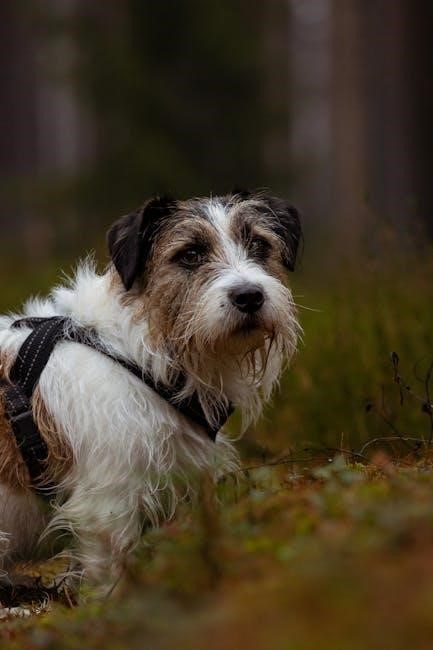
Following selection, puppies enter a comprehensive socialization phase, crucial for adapting to diverse environments while learning to wear a harness. Exposure to varied sights, sounds, surfaces, and people builds confidence and reduces reactivity, preparing them for the complexities of guiding.
Basic obedience training commences early, focusing on commands like sit, stay, come, and down, forming the foundation for more advanced harness work. Positive reinforcement methods are employed, fostering a strong bond and enthusiastic learning attitude.
Puppies learn polite manners, such as loose-leash walking and ignoring distractions – skills vital for maintaining focus while wearing the harness and guiding their future handler. This period establishes self-control and responsiveness, paving the way for specialized guide dog training.
Understanding the Harness
The harness is a vital communication tool, signaling a guide dog is actively working; it’s a clear indicator to the public that distraction must be avoided.
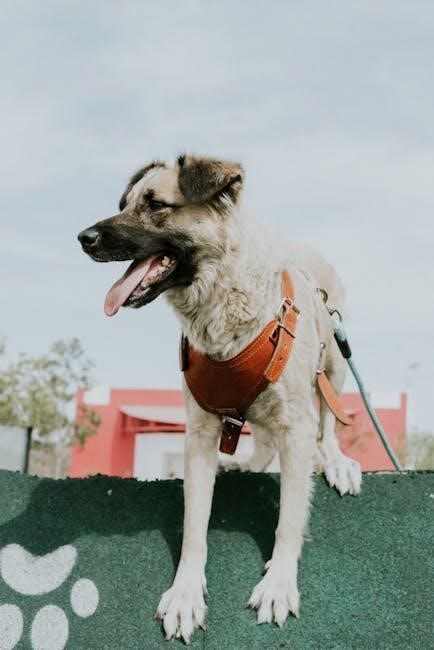
Proper fit, utilizing the two-finger rule, ensures comfort and effective guidance, allowing the dog to perform its duties safely and efficiently while in harness.
The Purpose of the Harness
The guide dog harness serves a profoundly important purpose, extending far beyond simply attaching the dog to the handler. It’s a clear and universally recognized signal to the public that the dog is “on duty” and actively working, requiring respect and minimal interaction. This visual cue is paramount for maintaining the dog’s focus and the handler’s safety.

Unlike a typical collar or leash, the harness is specifically designed to facilitate communication between the dog and handler. It provides a secure and comfortable connection point for the handler to receive directional guidance, interpreting the dog’s subtle movements and cues. The harness allows the handler to understand stops, turns, and obstacle avoidance, effectively becoming their “eyes.”
Furthermore, the harness actively discourages unwanted attention from the public. It’s a visual boundary, communicating “do not distract” and preventing well-intentioned but disruptive interactions. Maintaining the dog’s concentration is critical, as any distraction could lead to misguidance and potential danger for both the handler and the dog. The harness, therefore, is not just equipment, but a vital component of independence and safety.
Harness Design and Materials
Guide dog harnesses are meticulously designed for both functionality and the comfort of the working dog. Traditionally, they’re crafted from durable, yet flexible, materials like nylon webbing, chosen for its strength and resistance to wear and tear. Modern harnesses increasingly incorporate padded sections to prevent chafing and distribute pressure evenly across the dog’s body.
The design typically features a central handle, providing a secure grip for the handler, and a chest plate that rests comfortably on the dog’s sternum. Strategic placement of D-rings allows for attachment of a leash for off-duty walks. The harness’s construction prioritizes allowing a full range of motion for the dog, crucial for navigating various terrains and obstacles.
Color variations exist, though many organizations favor a specific color for easy identification. Reflective strips are often integrated to enhance visibility in low-light conditions, increasing safety for both the dog and handler. The overall design aims to be lightweight, minimizing strain on the dog during extended work periods, ensuring optimal performance and well-being.
Proper Harness Fit: The Two-Finger Rule
Ensuring a guide dog harness fits correctly is paramount for both comfort and effective guidance. A poorly fitted harness can cause chafing, restrict movement, or even impede the dog’s ability to work safely. The universally recommended method for checking the fit is the “Two-Finger Rule.”
This simple test involves sliding two fingers – typically your index and middle finger – between the harness straps and the dog’s body. If you can comfortably insert and move your fingers, the harness is likely appropriately adjusted. If it’s too tight to fit your fingers, the harness is constricting and needs loosening. Conversely, if there’s excessive space, indicating a loose fit, it requires tightening.
Regular checks are vital, as a dog’s weight or condition can fluctuate. A properly fitted harness allows for unrestricted shoulder movement and doesn’t rub against sensitive areas. Prioritizing correct fit contributes significantly to the dog’s well-being and ability to confidently perform their guiding duties.
Different Types of Guide Dog Harnesses
While the fundamental purpose remains consistent, guide dog harnesses aren’t universally identical. Variations exist to accommodate different dog sizes, handler preferences, and even specific working environments. Traditionally, the most common type is the classic “D-ring” harness, featuring a central D-shaped ring on the dog’s back for leash attachment.
More modern designs incorporate features like adjustable straps for a customized fit and padded sections for enhanced comfort. Some harnesses utilize a “Y-shaped” configuration, distributing pressure more evenly across the dog’s chest and shoulders. Specialized harnesses may include reflective materials for increased visibility in low-light conditions.
Furthermore, materials vary, ranging from durable nylon webbing to leather, each offering different levels of durability and weather resistance. The choice of harness often depends on a collaborative decision between the guide dog organization, the handler, and the dog itself, prioritizing functionality and well-being.
Harness Maintenance and Care
Proper harness maintenance is crucial for ensuring a guide dog’s comfort, safety, and the longevity of the equipment. Regular cleaning is paramount; the harness should be routinely wiped down with a damp cloth to remove dirt, debris, and potential allergens. More thorough cleaning may involve hand washing with mild soap and water, followed by air drying – avoiding machine washing or harsh detergents.
Periodic inspection for wear and tear is essential. Check for fraying straps, damaged buckles, or loose stitching. Any signs of damage should be addressed promptly by a qualified professional, such as the guide dog organization’s harness repair service.
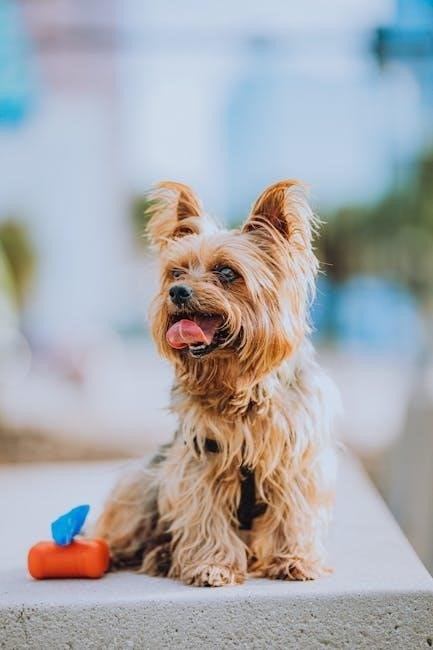
Leather harnesses require occasional conditioning to prevent drying and cracking. Storage should be in a cool, dry place, away from direct sunlight. Consistent care extends the harness’s lifespan and supports the guide dog’s ability to perform its vital role effectively.
Guide Dog Etiquette: Interactions with the Public
When a guide dog is in harness, it’s actively working; avoid distractions like touching, talking, or offering food, respecting their focused assistance to the handler.
The Golden Rule: Do Not Distract
The most important principle when encountering a guide dog in harness is simple: do not distract it. A guide dog wearing a harness is actively “on duty,” diligently focused on ensuring the safety and independent navigation of its handler. Any distraction, however well-intentioned, can compromise this crucial work and potentially put both the dog and handler at risk.
This means refraining from making eye contact with the dog, speaking to it, calling its name, or attempting to play with it. Even seemingly harmless actions, like waving or whistling, can divert the dog’s attention from its handler and the surrounding environment. Resist the urge to offer treats or food, as this can create confusion and disrupt the dog’s training.
Remember, the dog isn’t seeking affection while in harness; it’s performing a vital job. Maintaining a respectful distance and ignoring the dog allows it to concentrate fully on guiding its handler safely and confidently. Prioritizing the dog’s focus is paramount to respecting the partnership and ensuring the handler’s independence.
Why Touching a Working Guide Dog is Harmful
Touching a guide dog while it’s wearing its harness is strongly discouraged and can be genuinely harmful to its ability to perform its job effectively. These dogs are meticulously trained to maintain unwavering focus on their handler and the surrounding environment, and physical contact can instantly break that concentration.
Even a brief touch can cause the dog to hesitate, question its path, or become momentarily disoriented, potentially leading to a dangerous situation for both the dog and the handler. It disrupts the clear communication and trust established through rigorous training.
Furthermore, unwanted attention can create anxiety or stress for the dog, impacting its performance and overall well-being. It’s crucial to remember that a working guide dog isn’t a pet seeking affection at that moment; it’s a highly skilled professional diligently performing a life-changing service. Respecting its space is vital.
Appropriate Ways to Interact with the Handler
When encountering a handler with a guide dog, direct your communication and attention solely to the person, not the dog. Speak directly to the handler as you normally would, acknowledging their presence and initiating conversation. Avoid addressing the dog, even with friendly greetings or praise, as this can be distracting.
Offer assistance only if it’s genuinely needed and requested. Don’t assume the handler requires help with doors, crossings, or other obstacles; always ask first. Respect their independence and allow them to manage their journey at their own pace.
If you’re curious about the guide dog, politely ask the handler questions, understanding they may choose not to answer. Remember, the dog is working and the handler’s priority is safe navigation. A respectful and considerate approach ensures a positive interaction for everyone involved.
Responding to Questions About the Guide Dog
Handlers of guide dogs are often accustomed to public curiosity. When asked about their dog, a polite and patient response is appreciated. Briefly explaining the dog’s role as a working guide, assisting with navigation and independence, is a good starting point.
Emphasize that the dog is “working” when wearing the harness, and therefore requires focus. Kindly request that people refrain from touching, talking to, or distracting the dog while it’s in work mode. This reinforces the dog’s concentration and ensures the handler’s safety.
Feel free to share information about guide dog organizations if desired, promoting awareness and support for these vital programs. Remember, you are an ambassador for the guide dog community, and your response can educate others and foster understanding.
Understanding the Dog’s Focus When in Harness
When a guide dog is wearing its harness, it signifies a profound shift in focus. The dog transitions from a companion animal to a highly trained working professional, entirely dedicated to the safety and navigation of its handler.
This isn’t simply obedience; it’s a state of intense concentration, where the dog filters out distractions – sights, sounds, and even smells – to prioritize cues from the handler and assess the surrounding environment for obstacles and hazards.
The harness itself acts as a visual cue, both for the dog and the public, indicating “work mode.” Interrupting this focus can be disorienting and potentially dangerous, as it breaks the dog’s concentration and compromises the handler’s safety.
Respecting this focused state is paramount to ensuring the guide dog can effectively perform its life-changing work.
Legal Rights and Access
Guide dogs, identifiable by their harness, possess legal rights granting access to public spaces, ensuring handlers’ independence; denial of access is unlawful.
Regulations govern travel, demanding the dog remain under control and appropriately sized within designated areas, often at the handler’s feet.
Public Access Laws for Guide Dogs
Public access laws are designed to protect the rights of individuals utilizing guide dogs, specifically when the dog is actively working and wearing its harness. These laws, varying slightly by location, generally mandate that guide dogs are permitted to accompany their handlers in virtually all public places where the general public is allowed.
This includes restaurants, stores, transportation, hotels, theaters, and more. The core principle is to ensure equal access and opportunity for people with visual impairments, enabling them to participate fully in society. Businesses cannot charge extra fees for guide dog access, nor can they segregate handlers with guide dogs from other patrons.
It’s crucial to remember that these rights apply specifically to guide dogs actively engaged in their work, signified by the presence of the harness. The harness clearly indicates the dog is “on duty” and requires respect and unobstructed access. Denying access to a legitimate guide dog team is often a violation of the law and can result in penalties.
Traveling with a Guide Dog: Regulations and Considerations
Traveling with a guide dog, particularly one wearing a harness, requires careful planning and awareness of specific regulations. Airlines, for instance, typically permit guide dogs to accompany handlers in the cabin, often without a separate fare, but advance notification is essential. The dog must be able to fit comfortably at the handler’s feet without obstructing aisles.
International travel introduces additional complexities, including varying import/export requirements and potential quarantine regulations. Documentation, such as a health certificate and proof of vaccinations, is usually mandatory. When the harness is on, the dog is working and should not be disturbed.
Ground transportation, like trains and buses, generally follows similar accessibility guidelines, allowing guide dogs with harnesses to travel freely with their handlers. It’s always advisable to confirm specific policies with the transportation provider beforehand to ensure a smooth and stress-free journey for both handler and dog.
Guide Dog Access in Transportation
Guide dog access in transportation is legally protected, ensuring individuals with visual impairments can travel independently. When a guide dog is wearing its harness, it signifies it’s actively working and entitled to access all public transportation modes, including airplanes, trains, buses, and taxis.
Regulations typically require the guide dog to behave appropriately and not obstruct aisles or other passengers. The dog must fit comfortably at the handler’s feet. Transportation personnel are prohibited from questioning the need for the dog or requesting any special documentation beyond confirming the dog is trained to assist.
Denying access to a guide dog wearing a harness is a violation of accessibility laws and can result in penalties. Handlers should be prepared to politely assert their rights if faced with unlawful discrimination, and report any incidents to the appropriate authorities.
International Travel with a Guide Dog
International travel with a guide dog requires meticulous planning due to varying regulations across countries. When the guide dog is in harness, it clearly indicates its working status, but this doesn’t automatically guarantee seamless entry everywhere. Each country has specific import requirements, often including health certificates, rabies vaccinations, and advance notification.
Airlines have their own policies regarding guide dog transport, typically allowing them in the cabin but requiring specific documentation and adherence to size/weight restrictions. Some countries may impose quarantine periods, even for dogs with proper documentation.
Thorough research of the destination country’s regulations is crucial, alongside contacting airlines and embassies well in advance. Ensuring the guide dog remains in its harness during travel can help reinforce its working status to airport and customs officials, facilitating a smoother journey.
The Offense of Denying Access
Denying access to a person accompanied by a guide dog wearing a harness is a serious offense, legally prohibited in many jurisdictions. This protection extends to all public places, including businesses, transportation, and government facilities. The harness serves as a clear visual indicator that the dog is a working animal, not a pet, and is essential for the handler’s safe navigation.
Charging a fee for entry to a guide dog and handler is also unlawful. Such actions constitute discrimination under disability rights laws. Businesses and organizations have a legal obligation to reasonably accommodate individuals with disabilities, and allowing guide dog access is a fundamental aspect of this obligation.
Penalties for denying access can include fines, legal action, and mandatory training for staff. Understanding and respecting the rights of guide dog users is vital for fostering an inclusive society.
Beyond the Harness: Life with a Guide Dog
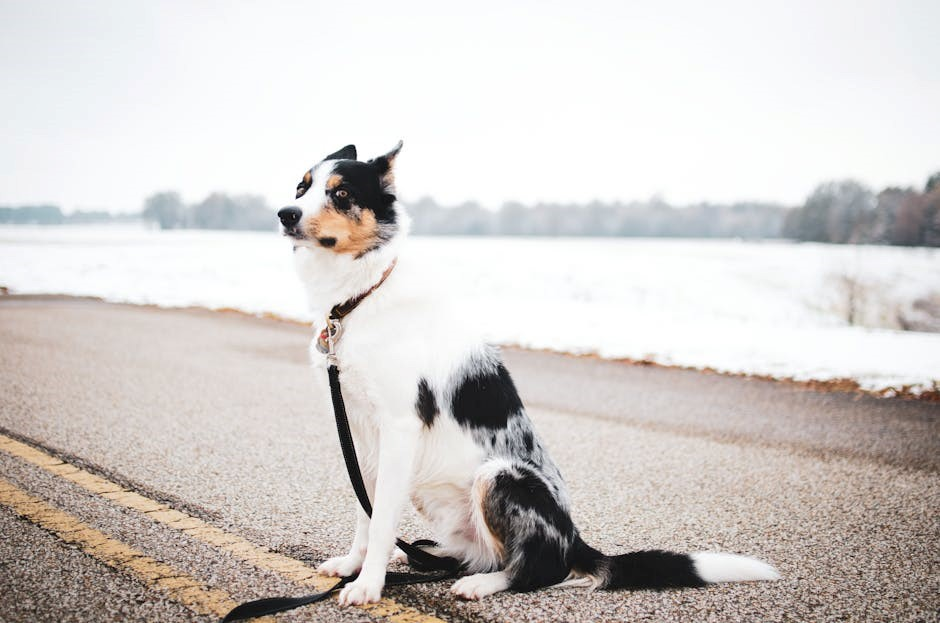
Removing the harness signals a shift; the guide dog transitions from focused work to cherished companion, enjoying well-deserved rest and strengthening the handler’s bond.
The Bond Between Handler and Dog
The relationship between a guide dog and their handler transcends a typical pet-owner dynamic; it’s a profound partnership built on trust, mutual respect, and unwavering reliance, especially when the harness is on.
This deep connection flourishes through shared experiences, navigating daily life together, and overcoming challenges as a team. The harness isn’t merely a tool, but a visible representation of this collaborative effort, signifying the dog’s dedication and the handler’s dependence.
Handlers often describe their guide dogs as confidantes and companions, offering not only physical guidance but also emotional support and increased confidence. The dog’s focused work while in harness allows the handler greater independence, fostering a sense of freedom and self-reliance.
This unique bond is nurtured through consistent training, positive reinforcement, and genuine affection, extending far beyond working hours and solidifying a lifelong companionship.
The Importance of Ongoing Training
Even after initial rigorous training, continuous learning is vital for both the guide dog and handler to maintain a safe and effective partnership, particularly while the dog is wearing its harness.
Regular refresher courses reinforce commands, address emerging challenges, and ensure the dog remains adaptable to changing environments. These sessions strengthen the bond and refine the handler’s ability to interpret the dog’s cues while in harness.
Ongoing training isn’t solely about reinforcing obedience; it’s about fostering a proactive and responsive team. Handlers learn to anticipate potential obstacles and work with their dog to navigate them safely, maintaining focus even amidst distractions.
This commitment to lifelong learning ensures the guide dog remains a reliable and confident guide, maximizing the handler’s independence and quality of life, solidifying the effectiveness of the harness as a tool for freedom.
Retirement of a Guide Dog
The retirement of a guide dog, after years of dedicated service while wearing a harness, is a bittersweet milestone, marking the end of a working partnership and the beginning of a well-deserved rest.
Typically occurring between 8-10 years old, retirement isn’t due to a decline in ability, but rather a natural slowing down. The dog often returns to the guide dog organization or remains with the handler as a beloved pet, shedding the harness.
Handlers often experience a period of adjustment, transitioning from reliance on the dog’s guidance to independent travel or utilizing other mobility aids. The bond remains strong, evolving into a cherished companionship.
Organizations ensure retired dogs receive ongoing veterinary care and support. Their contributions are celebrated, and they become ambassadors for the cause, demonstrating the incredible impact of guide dogs and the freedom their harness represents.
Supporting Guide Dog Organizations
Guide dog organizations rely heavily on public support to continue their vital work, providing expertly trained dogs and their distinctive harnesses to individuals with visual impairments.
Donations, both large and small, directly fund the extensive training programs, veterinary care, and ongoing support needed throughout a dog’s working life and even after retirement from harness duty.
Volunteering time as a puppy raiser – socializing and providing basic obedience training – is invaluable. These early experiences are crucial before formal harness training begins.
Advocacy plays a role too, raising awareness about the rights of guide dog users and the importance of accessible public spaces; Sponsorship opportunities and legacy giving also provide sustainable funding. Every contribution helps empower independence and enhance the lives of those who rely on these incredible animals and their symbolic harness.
Future Innovations in Guide Dog Technology
While the traditional guide dog and harness remain a cornerstone of assistance, exciting technological advancements are emerging to further enhance independence and safety for handlers.
Research focuses on integrating smart technology into the harness itself, potentially including GPS tracking, obstacle detection sensors, and even communication systems for emergency assistance;
Virtual reality training simulations are being developed to expose dogs to a wider range of environments and challenges before they begin formal harness work, improving their adaptability.
Furthermore, studies explore the potential of AI-powered navigation systems that could complement a guide dog’s abilities, offering an additional layer of support. These innovations aren’t intended to replace dogs, but to augment their skills and provide handlers with even greater confidence and freedom, always respecting the bond formed through the harness.